What nettle pesto tastes like
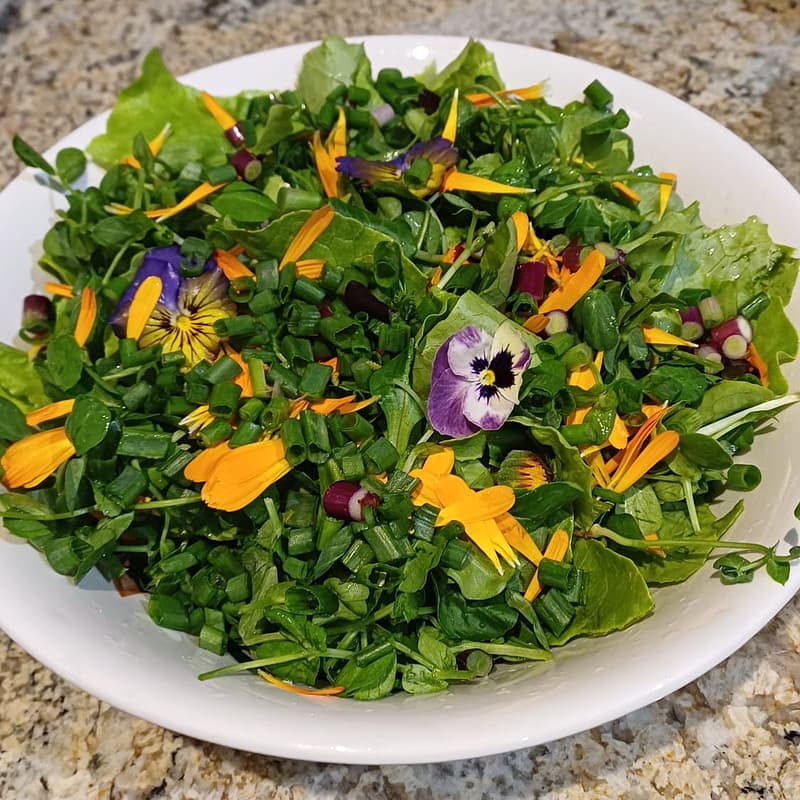
It is green and dark, closer to the colour of cooked spinach than to bright basil. On the tongue it is savoury first, then green, with a faint pepper at the end that is nothing like chilli heat. People who expect basil are surprised by it. People who cook with greens tend to take to it immediately.
The nettle itself does not sting once it is blanched. What is left is the flavour of a plant that grew outside rather than in a pot, which is the best way to describe it.
Five ways we use it
Through pasta. A spoonful per portion stirred through hot pasta, with a little of the cooking water to loosen it. It does not need cream or cheese to work, though both are good with it.
On eggs. A fried egg with a spoonful on top, or folded into scrambled eggs at the end of cooking. This is the fastest use and the one we recommend to anyone who has bought a jar and does not know where to begin.
In soup. Swirl it into a bowl of pumpkin or chicken and vegetable soup just before it goes to the table. Heat kills the fresh edge, so add it late.
In a sandwich. With cheese, with cold roast chicken, with sliced tomato. It does the job mustard does, only greener.
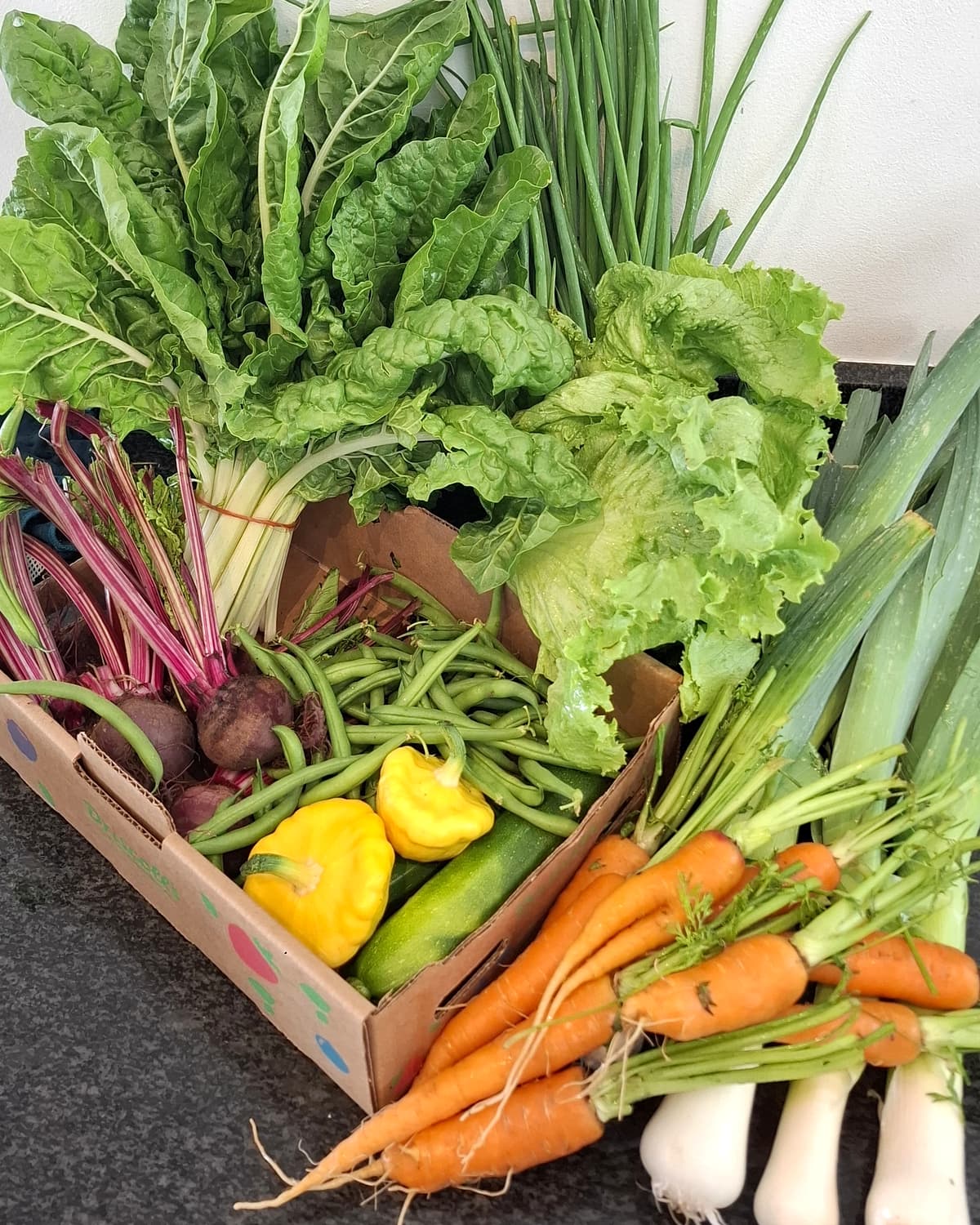
Over roast vegetables. Beetroot, carrots, patty pans, potatoes — anything that comes out of the oven with a bit of colour on it. A spoonful on the tray while it is still hot is enough.
How much to use
Start with a teaspoon per person and add from there. Nettle pesto is more concentrated in flavour than basil pesto, and a heavy hand makes a dish taste of one thing.
For a bowl of pasta for two, two generous spoons is about right. For a soup, one spoon per bowl. For eggs, half a spoon is enough to change the plate.
If it seems too thick to stir in, loosen it with a spoon of the pasta water, a little olive oil, or a squeeze of lemon. Nettle pesto is denser than the basil version, and a jar that looks dry at the top is usually just settled rather than spoiled. Stir it before you judge it.
If it seems too strong, add more of whatever it is going on. Pesto is a seasoning as much as an ingredient, and it is easier to add another spoon than to take one out.
How to store it, and how long it keeps once opened
Keep it cold and keep it closed. Press it down flat in the jar, and if you have a little oil to pour over the top, do that; it keeps the air off the surface.
We are not going to print a number of days here, because a number would be a promise we cannot keep for every batch in every season. Ask us when you buy it and we will tell you what we would do at home. Then use your nose and your eyes: fresh pesto smells green and alive, and it does not smell like that forever.
Why we make it in season
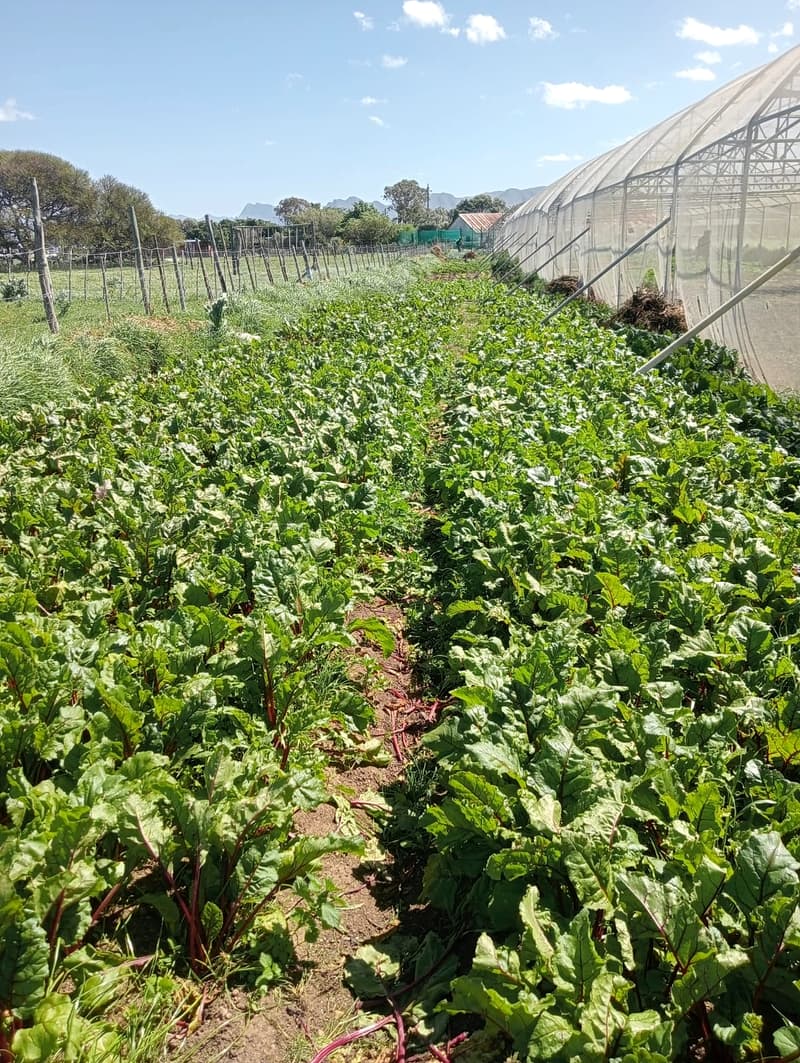
Nettles are a cool-weather crop and they are not around all year. When they are up, we make nettle pesto; when they are gone, we make something else. That is why the range on our shelf changes and why a jar you loved in one month may not exist in the next.
We could, presumably, find a way to make it year-round. We would rather make it when it is good and tell you honestly when it has finished.
Where to find ours
We make nettle pesto, along with coriander and basil and whatever else the garden offers, in our own kitchen. It goes out with the weekly orders and it is available to shops and restaurants as well.
Ask what is ready this week on WhatsApp, or read more about our seasonal pestos. If you are cooking with it, our vegetables are the obvious thing to put it on, and if you run a kitchen or a shop, we supply pestos by the case.